
NEWS

PAP training
Not seeing performance
increases? Try PAP Training!
What is PAP training? Post Activation Potential training also known as complex training is a method that is used to increase power and performance. To make it as simple as possible, performing a lift such as back squat at 90% of maximal effort for 3 reps and following that directly with 40 yard sprint. This contrast of heavy weight to bodyweight exercise plays a role in increasing performance and should show an increase in the speed of the sprint over time.
Not seeing performance
increases? Try PAP
Training!

What is PAP training? Post Activation Potential training also known as complex training is a method that is used to increase power and performance. To make it as simple as possible, performing a lift such as back squat at 90% of maximal effort for 3 reps and following that directly with 40 yard sprint. This contrast of heavy weight to bodyweight exercise plays a role in increasing performance and should show an increase in the speed of the sprint over time.

Interested in working with a trainer that can use techniques like these to help you reach your goals? You can contact us to get set up with a consultation with one of our trainers! Just send an email HERE with your fitness goals and we can get you in contact with the trainer that best fits your needs!

Weekend binge crushing your results?
After a long week, sometimes it's nice to unwind with some not-so-health-conscious food and drink decisions. Maybe you are taking a weekend trip and not planning on holding back in the diet department. This situation is very common and is sometimes a much needed break from the day to day. But is it keeping you from reaching those goals you set for yourself? If done incorrectly, these "cheat days" could cause some major issues.

After a long week, sometimes it's nice to unwind with some not-so-health-conscious food and drink decisions. Maybe you are taking a weekend trip and not planning on holding back in the diet department. This situation is very common and is sometimes a much needed break from the day to day. But is it keeping you from reaching those goals you set for yourself? If done incorrectly, these "cheat days" could cause some major issues.

Let's talk about how to bounce back after a weekend of letting loose.
I am going to start off with a little reminder. All of us need to fuel our bodies for our specific goals and sometimes we need to have a meal that doesn't quite "fit the diet."
No matter our goals, if our diet is unsustainable because it's too restrictive, we are setting ourselves up for failure! BUT a binge weekend should be a rare and extreme circumstance within the diet and should be avoided as much as possible. I totally understand that special events and holidays come up, but it's all about making the best choices in that situation so that you can reach your goals! You can do this by being mindful about what you are eating and drinking. Limit portion sizes of poor food and drink choices. Increase your water intake to fill up and stay hydrated. Limit the damage by saving some extra calories throughout the day when you know you will be breaking the caloric bank in the evening.

Now let's go over how can we put together a strategy to get back on track after one of these rare and rough weekends.
First things first: Remember that today is a new day! Instead of beating yourself up over the weekend, focus on getting back on track ASAP. If you aren't careful, your mind can be your biggest enemy and lead to reoccurring binging.
Get some sleep and drink more water! Studies have shown that lack of sleep can affect our hunger hormones Ghrelin and Leptin. Getting more sleep can help to bring those hormones back in check and help you fight off those late night cravings.
Often after an off-track weekend, we forget to keep up with our water intake and become dehydrated. This is exacerbated when drinking diuretics like alcohol and caffeine. As noted above, water can also be a great tool for reducing calories after a weekend of excess.
Some other ways to get back on track include starting your day off with a healthy breakfast, ramping up the veggie intake, making sure to get enough protein, starting the week with a workout, and avoiding skipping workouts.
Binge eating does more than just increase your calories. Binge eating can lead to GI issues, fatigue, depression, anxiety, feelings of shame, and an overall higher rate of occurrence due to feelings of "falling off track". If binges continue and become more frequent, side effects such as weight gain, obesity, high blood pressure, diabetes, sleep apnea, cancer, heart disease, and more can occur.
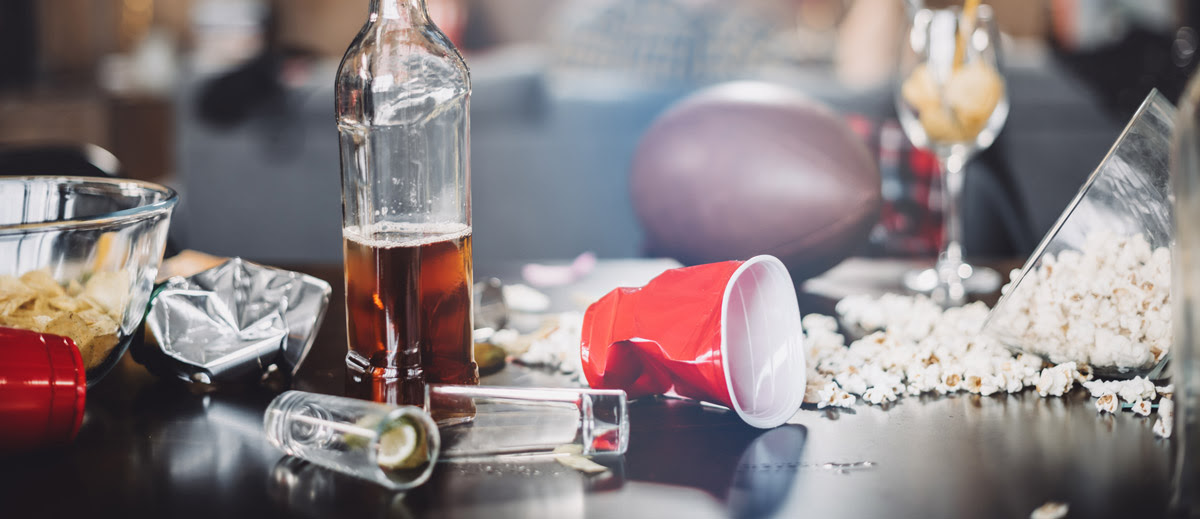
Let's take a look at what alcohol does to our bodies.
Alcohol contains roughly 7 calories per gram. That is almost as many as fat, which contains 9 calories per gram! On average, there are 14 grams of alcohol in a 1.5oz shot. That 1.5oz shot is equal to 98 calories! Add other sugary soda and juice mixers to make your favorite cocktail and you will likely have a fairly high calorie drink.
Alcohol effects
Brain: Short-term, alcohol can interfere with the transfer of short-term memories into long-term memories, which causes blackouts. Even retained memories may be fuzzy. Speech, judgment, physical coordination, and thinking are all impaired when a person is intoxicated. Long-term, too much alcohol can change the function of various areas in the brain, permanently impairing memory, cognition, and emotions.
Liver: Binge drinking can overwhelm the liver, so if a person suffers from alcohol poisoning, they still have several servings of alcohol in their body that have not yet been processed, which can make poisoning worse or lead to death. Long-term, people who drink too much can develop fatty liver disease, cirrhosis, alcoholic hepatitis, liver failure, and liver cancer.
Heart: Short-term, being drunk or binge drinking can raise blood pressure, change heart rate, and increase the risk of heart attacks from underlying heart conditions. Long-term, cardiomyopathy (or drooping heart muscle) will develop as well as arrhythmias, chronic high blood pressure, blood clots, and an increased risk of heart attacks or strokes.
Cancer: Alcohol abuse increases the risk of all kinds of cancer, including cancer of the stomach, liver, mouth, throat, esophageal, and breast.
Fat Storage: Alcohol is a toxin to your body and forces your body to focus on getting rid of it before all else. This can lead to storing calories as fat due to your bodies immediate need to rid itself of the alcohol.
Other effects:
Increased skin breakouts
Higher levels of stress or anxiety
Extreme fatigue or sleep disturbances
Inflammatory reactions inside the body, causing digestive problems
Increased chronic pain from inflammation
Dehydration
Salt imbalance that can increase the risk of seizures
Erratic blood pressure
Muscle weakness
Headaches
Increased mood swings
Depression
Hinder Testosterone production
As you can see, one fun weekend can create a habit if you let it and that habit can really wreck your progress. Balance is very important when it comes to staying on track. Falling into the traps of excessive restriction or off-diet binges can create problems that are harder to bounce back from than just sticking to your diet would have been.
This is why all of us at Relentless Fitness push sustainability! If you can find something that is sustainable when it comes to diet your chances of success go up exponentially!
If you need help with finding what works for you just let us know.

Yo-yo Dieting
Is it killing your progress?
Often, we start popular diets with 100% effort but soon give up without seeing major progress. We jump into the next popular diet, give it the same initial effort, and again see limited results. Most people only stick to a diet for about two weeks before they start falling off or give up completely because they see minimum body fat reduction.
Often, we start popular diets with 100% effort but soon give up without seeing major progress. We jump into the next popular diet, give it the same initial effort, and again see limited results. Most people only stick to a diet for about two weeks before they start falling off or give up completely because they see minimum body fat reduction.
These "fad diets" are not only unsustainable for most people, but can actually hinder our ability to lose fat. Our bodies learn from these experiences, notice we are going into extreme fat loss conditions, and try to fight it. Our bodies are amazing adaptable machines! This short-term dieting ends up preventing us from being able to lose weight as easily as we did before, and we start gaining weight back faster. Check out the study below from Layne Norton or watch my video by clicking the button below to learn about the negative ways in which this affects your body.

This is why I relentlessly push sustainability. If you can find something that is sustainable when it comes to diet your chances of success go up exponentially!
If you need help with finding what works for you just let us know.

Our Blog
Relentless Fitness Blog
There are a lot of fitness blogs out there, and this is no exception. But we will focus on bringing you relevant information on topics that affect us at Relentless Fitness and skip the click bate topics that have little to no value but sound good on paper.
Relentless Fitness Blog
There are a lot of fitness blogs out there, and this is no exception. But we will focus on bringing you relevant information on topics that affect us at Relentless Fitness and skip the click bate topics that have little to no value but sound good on paper.
In this blog we have 2 focuses. One is to provide you information that is backed by research and studies that is applicable to your life and can actually help. We often see so many blog postings that are hitting on buzzwords or topics that in all reality have very little to no benefit to your health or fitness journey. This leads to these bogs getting views and leads to the people reading believing something that has little to no scientific backing and/or people trying these things and expecting life changing results because of the way the blogs present it and then are disappointed and possibly give up on their goal due to not seeing the promised results.
The second focus is to keep everyone up to date on things happening at Relentless Fitness. We love our community and we want to show it by hosting events, taking our fitness family to St. Louis events such as bike rides, runs, concerts, etc. This is part of the goal for Relentless Fitness, to be different than most other gyms and focus on community because we know when your community is strong, lifestyle change is so much easier. I always say it, but sustainability is key for success. If you don’t enjoy your gym and your fitness community it makes it so much harder to make fitness a habit.
We look forward to bringing you quality advice that can help you reach your goals and providing a place that makes you enjoy this fitness journey! If you have any topics that you want to know more about, hit us up at relentelssfitnessllc@gmail.com and we will do our best to find any research on the topic and put what we find in the blog.
Thanks for being a part of the Relentless Fitness Family, we can’t wait to see what the future holds! See you in the gym!