
NEWS
Creatine Supplementation 101
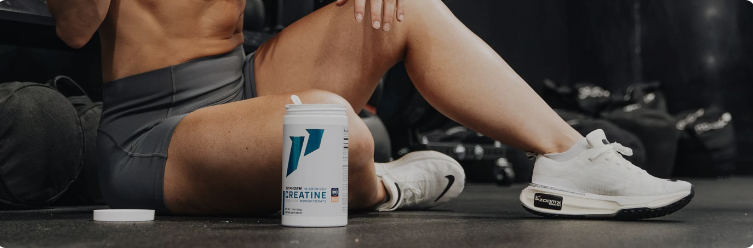
Creatine is one of the most trusted and researched supplements in fitness, known for enhancing strength, boosting muscle growth, and improving recovery. In this blog, we break down everything you need to know about creatine—when to take it, how much, the best form, and its impressive benefits. Whether you're an athlete or new to fitness, this guide will help you maximize your results safely and effectively.
Creatine is one of the most researched supplements in sports and fitness, praised for its ability to boost performance and aid recovery. Here's everything you need to know to use creatine effectively and safely:
When to Take Creatine
Timing is flexible. Some research suggests slight benefits to taking creatine post-workout, but the most important factor is consistency. Choose a time that works for you and stick with it—whether pre-workout, post-workout, or at another consistent daily interval.
How Much to Take
Loading Phase (Optional): 20 grams daily (split into 4 doses of 5 grams each) for 5–7 days to saturate your muscles more quickly.
Maintenance Phase: 3–5 grams per day is sufficient to maintain muscle creatine stores. You can skip the loading phase and start with 3–5 grams daily, but it may take longer to reach full saturation.
Best Form to Take
Creatine monohydrate is the gold standard. It is affordable, well-studied, and effective. Other forms, like micronized creatine or creatine hydrochloride, may reduce bloating or improve absorption but offer no major advantages over monohydrate.
Frequency of Use
Daily supplementation is ideal during high-intensity training periods. If you're in a maintenance phase or taking a break from intense training, you can reduce or pause supplementation.
Benefits
Increased Strength and Muscle Mass: Creatine improves the production of ATP, the energy source for high-intensity exercise, enhancing strength and endurance over time.
Improved Recovery: It helps replenish muscle glycogen and phosphocreatine stores, reducing fatigue and aiding recovery.
Cognitive Benefits: Some studies suggest creatine may support brain health, memory, and mental fatigue.
Injury Prevention and Rehab: Creatine may reduce the risk of injury and support recovery during rehabilitation.
Side Effects
Creatine is generally safe when used as directed. Common concerns, such as kidney damage, are unsubstantiated in healthy individuals. Possible mild effects include water retention, bloating, or digestive discomfort, especially during the loading phase. Staying hydrated can help mitigate these effects.
Key Tips for Use
Purity Matters: Choose creatine monohydrate products tested by third-party organizations like NSF or Informed Choice to ensure quality and safety.
Hydration: Adequate water intake is crucial when using creatine to prevent cramping and maximize its effectiveness.
Not Year-Round: Creatine isn’t necessary 365 days a year. Tailor supplementation to your training cycles.
Creatine is a proven tool for improving performance and supporting overall health. Whether you’re an athlete or someone looking to gain muscle, it’s an excellent addition to your routine when used responsibly.
Sources:
Cleveland Clinic (health.clevelandclinic.org)
MyProtein (us.myprotein.com)
Journal of the International Society of Sports Nutrition (jissn.biomedcentral.com)
Examine.com
National Institutes of Health (nih.gov)

Beginner's Guide to Nutrition for Your Goals
Kickstart your fitness journey with our beginner's guide to nutrition. Whether your goal is to lose weight, reduce body fat, or gain muscle mass, our guide covers where to start, how to track your progress with MyFitnessPal, and diverse dieting methods to fit your lifestyle. Learn how to tailor your nutrition plan to achieve your goals effectively with Relentless Fitness.
Beginner's Guide to Nutrition for Your Goals
Whether you're looking to lose weight, reduce body fat, or gain muscle mass, nutrition plays a crucial role in achieving your fitness goals. Here’s a quick and easy guide to get you started on the right track.
1. Where to Start
Understanding your goals is the first step. Are you aiming to lose weight, reduce body fat, or gain muscle mass? Once you have a clear goal, you can tailor your nutrition plan to meet your needs.
2. Using MyFitnessPal to Track Calories and Macros
MyFitnessPal is an excellent tool for tracking your calorie intake and macronutrients (proteins, carbohydrates, and fats). Here’s how to get started:
Download the App: Available on both iOS and Android.
Set Up Your Profile: Enter your current weight, target weight, and activity level.
Track Your Food: Log everything you eat and drink. MyFitnessPal will calculate your daily caloric and macronutrient needs.
Find Your Average: Track your normal diet for two weeks using MyFitnessPal. At the end of the two weeks, calculate the average of your daily calorie intake. This average will give you a clear picture of your current consumption and serve as a starting point for adjusting your calorie intake to meet your goals. Whether you need to increase or decrease your calories will depend on whether you aim to lose weight, reduce body fat, or gain muscle mass.
3. How to Lose Weight and Body Fat
Caloric Deficit: To lose weight, you need to consume fewer calories than you burn. A deficit of 500-750 calories per day is generally safe and effective.
Balanced Diet: Focus on whole foods like fruits, vegetables, lean proteins, and whole grains. Avoid processed foods and sugary drinks.
Increase Protein Intake: Protein helps you feel full and supports muscle maintenance. Aim for 0.8-1 gram of protein per pound of body weight.
Hydration: Drink plenty of water to stay hydrated and support your metabolism. About 11.5 cups (2.7 liters) of fluids a day for women and about 15.5 cups (3.7 liters) of fluids a day for men.
4. How to Gain Weight and Muscle Mass
Caloric Surplus: To gain weight, consume more calories than you burn. A surplus of 250-500 calories per day is a good starting point.
High-Protein Diet: Protein is essential for muscle growth. Aim for 1-1.2 grams of protein per pound of body weight.
Strength Training: Incorporate regular strength and progressive overload training exercises to stimulate muscle growth. Focus on compound movements like squats, deadlifts, and bench presses.
Healthy Fats and Carbs: Include healthy fats (avocados, nuts, olive oil) and complex carbohydrates (sweet potatoes, quinoa, oats) in your diet.
5. Diverse Dieting Methods
Everyone is different, and what works for one person might not work for another. Here are some popular dieting methods to consider:
Intermittent Fasting: Eating within a specific time window each day (e.g., 8 hours eating, 16 hours fasting) can help control calorie intake.
Low-Carb/Keto Diet: Reducing carbs and increasing fats can help some people lose weight and improve energy levels.
Plant-Based Diet: Focusing on plant-based foods can be effective for weight loss and improving overall health.
Flexible Dieting (IIFYM): If It Fits Your Macros allows you to eat any food as long as it fits your daily macro targets.
Conclusion
Starting your nutrition journey can be overwhelming, but with the right tools and knowledge, you can achieve your fitness goals. Remember to track your progress, stay consistent, and make adjustments as needed. At Relentless Fitness, we’re here to support you every step of the way!
For more personalized advice, feel free to reach out to our trainers. Happy eating and training!
And as always, Stay Relentless!
Sources:

The Power of 10,000 Steps: A Crucial Element in Weight Loss
In the pursuit of shedding those extra pounds, one age-old advice continues to echo through fitness circles: walk 10,000 steps a day. But why is this seemingly simple activity so pivotal in weight loss? Walking 10,000 steps daily boosts caloric expenditure, regulates appetite hormones, and maintains metabolic health. This simple yet effective exercise can significantly aid in shedding unwanted body fat and improving overall health.
In the pursuit of shedding those extra pounds, there's one age-old advice that continues to echo through fitness circles: you should be walking 10,000 steps a day. But why is this seemingly simple activity so pivotal in the realm of weight loss? Let's delve into the science-backed reasons behind the importance of walking 10,000 steps daily for shedding those unwanted pounds of bodyfat.
Boosting Caloric Expenditure: Walking is a low-impact exercise that can be easily incorporated into daily routines. According to the American Council on Exercise (ACE), walking at a brisk pace burns approximately 100 calories per mile, depending on factors like body weight and walking speed. Achieving a target of 10,000 steps translates to covering around 5 miles for most individuals, resulting in an additional expenditure of 500 calories per day. Over time, this calorie deficit can contribute significantly to weight loss.
Regulation of Appetite: Research published in the journal Obesity reveals that walking can help regulate appetite hormones, such as ghrelin and leptin. Ghrelin, often referred to as the "hunger hormone," stimulates appetite, while leptin signals fullness. Engaging in regular physical activity, such as walking, can lead to favorable changes in these hormone levels, reducing hunger pangs and promoting satiety. Consequently, individuals are less likely to overeat, facilitating weight loss efforts.
Maintenance of Metabolic Health: A sedentary lifestyle is closely linked to metabolic disorders, including obesity and type 2 diabetes. Conversely, incorporating physical activity, like walking, into daily routines can improve metabolic health. A study published in the International Journal of Obesity found that walking 10,000 steps per day significantly improved insulin sensitivity and reduced visceral adiposity in overweight individuals. By enhancing metabolic function, regular walking not only aids in weight loss but also reduces the risk of chronic diseases associated with obesity.
Conclusion: Walking 10,000 steps a day serves as a cornerstone in the journey toward weight loss. By increasing caloric expenditure, regulating appetite hormones, and improving metabolic health, this simple yet effective exercise offers numerous benefits for individuals striving to shed excess weight. So, lace up those sneakers and take the first step toward a healthier, leaner you.
Sources:
American Council on Exercise (ACE) - "Calories Burned Walking" [Link: https://www.acefitness.org/education-and-resources/lifestyle/blog/112/are-you-walking-enough-calories-burned-walking-1-mile/]
Obesity - "Effects of 12 Weeks of Walking on Appetite Regulators in Young Sedentary Women" [Link: https://pubmed.ncbi.nlm.nih.gov/25557950/]
International Journal of Obesity - "Effects of 10,000 Steps a Day on Physical and Mental Health in Overweight Participants in a Community Setting: A Preliminary Study" [Link: https://www.nature.com/articles/0803737]

Meal Prep, lets do it!
Meal planning comes in various forms, tailored to fit different lifestyles. Whether you prefer batch cooking for the week ahead, sharing meals with family, or cooking fresh daily, finding the right method is key to sticking with your nutrition goals.
There are lots of different ways to go about planning out meals for your day and/or week. Some people do all of their cooking at the beginning of the week and measure it out into containers so they can just grab and go throughout the week. Other people make large containers of different carbs, proteins, and fats and measure it out throughout the day or week if they need to deviate throughout the day. Other people cook all of their food fresh every day. Like everything else, you need to find what works best for YOU.
Cooking your meals at the beginning of the week is great for those with busy schedules, or if you just want to not have to think about meals during the week. This method takes a bit of planning, especially if you are counting macros or calories, but it makes it extremely easy for the remainder of the week. Be sure to make a thorough grocery list before you start. A food scale is also helpful for portioning out your meals into containers after all of the prep work has been done. This method also allows you to be sure you are eating the exact amount of food you need whenever you need it.

Another way of meal prepping, especially if you live with other people, is to make a large amount of food and then take whatever you need for each of your meals. This 1) allows for sharing with those you live with and 2) keeps all of your food separate so you can alter your amounts as needed. You may have to do some more meal prepping throughout the week, but this method allows you to make a moderate amount of food at once so you don’t have to prep every day, nor do you have to do it all at once at the beginning of the week.
A great resource for bulk meal prep would be companies like Fit Flavors. You can order bulk items such as grilled chicken breast, sautéed vegetables, potatoes, burgers, etc. You can check out what they are currently offering here: https://fit-flavors.com/collections/bulk
Finally, some people enjoy preparing their food as they are going to eat for enjoyment, taste, and freshness. To be successful with this method, be sure you separate just enough of the raw ingredients that you need to fit into your plan for the day. The difficulty with this is portion control and time, but with some practice, this is a very doable method for a lot of people. Eating fresh food is the most enjoyable, but just make sure to watch your portions.
There is no right and wrong with meal planning. You can use any of the methods above or a combination of whatever you’d like that is going to be best for you and your lifestyle. As always, feel free to reach out with questions!

Nutrition can be hard! Coach Corey is here to help!
Coach Corey talks about some nutrition myths that you might have heard before!
Coach Corey, who has a Masters in Nutrition, is giving us some great nutrition info. Check out the linked video below to learn about 5 Nutrition myths that you might not know about! This information could totally change the way you look at what is healthy so take the 5 mins to watch this video and be sure to thank Corey later!