
NEWS
The Power of Getting 1% Better Every Day
The Power of Getting 1% Better Every Day
Most people quit because they’re looking for proof too fast.
They want to see results tomorrow.
They want the scale to move next week.
They want their body, energy, confidence, and habits to feel different immediately.
And when that doesn’t happen?
They assume it’s not working.
But real progress doesn’t work like that.
The Problem With Chasing Big Changes
When you focus only on massive transformations, you miss the quiet wins:
Showing up when you didn’t feel like it
Choosing a slightly better meal
Finishing the workout instead of quitting early
Going to bed 30 minutes earlier
Drinking water instead of another soda
None of those things feel life-changing in the moment.
And honestly, they’re not… that day.
But they compound.
1% Better Is Invisible, Until It Isn’t
Improving 1% a day doesn’t look impressive on a Tuesday.
Or after one week.
Sometimes not even after a month.
But over time, something shifts.
Your workouts feel less overwhelming.
Your energy improves.
Your clothes fit differently.
Your habits feel more automatic.
Your confidence starts to show up quietly before you even notice it.
And then one day you realize:
“I’m not the same person I was a few months ago.”
That’s not luck.
That’s consistency.
Why Consistency Beats Motivation Every Time
Motivation is loud.
Consistency is boring.
Motivation says:
“I’ll go when I feel ready.”
Consistency says:
“I’ll go because this is what I do now.”
You don’t need perfect days.
You don’t need extreme effort.
You don’t need to overhaul your entire life.
You need repeatable effort.
What 1% Looks Like in Real Life
1% better might mean:
One more workout this week than last
One less skipped session
One extra serving of protein per day
One fewer late-night snack
One honest check-in instead of ghosting your plan
Not flashy.
Not Instagram-worthy.
But powerful.
Trust the Process You Can’t Yet See
The hardest part of progress is believing in results before they’re obvious.
That’s where most people quit, right before things start to click.
So if you feel like:
“Nothing is changing yet”
“I’m working hard but not seeing it”
“This feels slower than I expected”
Good.
That means you’re right where progress actually happens.
Focus on Today’s 1%
Not tomorrow’s outcome.
Not next month’s goal.
Not someone else’s results.
Just ask yourself:
“What does 1% better look like today?”
Then do that.
And repeat it.
That’s how real change happens, quietly, slowly, and relentlessly.

Why Hiring a Personal Trainer Can Be the Key to Reaching Your Fitness Goals
If you're tired of starting over or struggling to see results, hiring a personal trainer might be the game-changer you need. At Relentless Fitness in St. Louis, our certified trainers create custom workout plans, keep you motivated, and help you build healthy habits that last. In this post, we break down why working with a personal trainer can fast-track your fitness journey and make reaching your goals easier—and more enjoyable—than ever.
Have you ever started a workout plan, got excited for a week or two, then lost motivation or got confused about what to do next?
You’re not alone. Many people struggle to stay consistent or get the results they want. That’s where hiring a personal trainer can make a huge difference—and it might be the missing piece between where you are now and where you want to be.
At Relentless Fitness in St. Louis, we believe everyone deserves support, structure, and expert guidance to reach their goals. Here’s why working with a personal trainer could be the smartest move for your health.
1. Personal Trainers Create a Plan That Works for YOU
No two people are the same. Your body, your schedule, your goals—they’re all unique. A certified personal trainer builds a plan that fits your needs and helps you make progress safely and efficiently.
✅ Science-backed bonus: The American Council on Exercise (ACE) confirms that personal trainers design programs based on your fitness level, goals, and any health concerns, helping you improve faster without injury. Source: ACE Fitness
2. Accountability = Real Results
Let’s be honest—it’s easy to skip a workout when no one is watching.
But when you have a coach waiting for you, cheering you on, and helping you stay on track, you’re way more likely to show up and give your best.
💡 A study from the National Library of Medicine found that people who had regular support and feedback were more consistent and lost more weight than those who didn’t. Source: NCBI
At Relentless Fitness, we become your biggest supporter and hold you to your goals—even when motivation fades.
3. Learn the Right Way to Work Out
Ever feel unsure if you’re doing an exercise right?
Personal trainers teach you proper form so you avoid injury and get the most out of each movement. Over time, you’ll get stronger, move better, and feel more confident in and out of the gym.
🧠 The Mayo Clinic points out that learning good technique is one of the best ways to prevent common injuries, especially for beginners. Source: Mayo Clinic
4. Trainers Make Fitness Fun and Less Stressful
Working out shouldn’t feel like a chore. A great personal trainer keeps things fresh, fun, and exciting.
At Relentless Fitness, we mix up your workouts with strength, cardio, and functional training. You’ll leave feeling proud, not burnt out.
5. You’re More Likely to Hit Your Goals (And Keep Them!)
Whether your goal is to lose fat, gain muscle, move pain-free, or just feel better—working with a trainer gives you a better shot at success.
📊 Harvard Health says personal trainers can boost your results by keeping you focused, adjusting your plan as you improve, and giving you tools for lifelong habits. Source: Harvard Health
Why Relentless Fitness?
At Relentless Fitness, we’re more than just a gym. We’re a community. Our certified personal trainers listen to your goals, meet you where you’re at, and guide you every step of the way.
We’ve helped hundreds of people in St. Louis feel stronger, healthier, and more confident—and we’d love to help you too.
Ready to Reach Your Goals?
Let’s get started together. Whether you're just beginning or want to level up your current routine, Relentless Fitness is here to help.
👉 Book a free consultation today and take the first step toward a stronger, healthier you.

Thriving Through the Holidays – Tips for Staying Consistent with Your Goals
The holiday season brings joy but also unique challenges to staying consistent with fitness and nutrition goals. At Relentless Fitness, we’ve noticed a rise in cancellations and dips in nutrition adherence during this time. But don’t worry—we’ve got you covered with research-backed strategies to maintain momentum, enjoy the season, and set yourself up for a strong start to the new year. Let’s finish 2024 stronger than ever!
How the Holidays Impact Motivation
As we approach the holidays, it’s common to see a drop in consistency with fitness routines and nutrition plans. For clients at Relentless Fitness, who are accustomed to structured personal training sessions, this season often introduces schedule disruptions, tempting treats, and increased stress. A higher rate of cancellations and decreased adherence to nutrition plans during this time is not unusual, but it’s important to address why it happens.
What Research Shows:
Behavioral Challenges: Studies highlight that emotional stress and time constraints are the leading causes of holiday-related lapses in health goals. A survey by the Ohio State University Wexner Medical Center found that almost half of Americans find it hard to maintain their habits during this time【14】.
Temptation Abundance: Research in Nutrients emphasizes the emotional eating triggered by holiday stress, which can derail weight management goals【13】.
Exercise Consistency: While intrinsic motivation (e.g., enjoying workouts or focusing on health benefits) often wanes during the holidays, leveraging social and accountability-based motivation, such as training with a partner or group, has been shown to counteract this decline【15】.
Strategies to Stay on Track at Relentless Fitness
Whether your goal is weight loss, muscle gain, or athletic performance, the key to success during the holidays is maintaining structure while allowing for flexibility. Here’s how:
Commit to Your Training Appointments:
Prioritize your scheduled sessions as non-negotiable appointments. A missed workout doesn’t just delay progress—it can disrupt momentum.
If travel or obligations arise, ask your trainer for modified workouts you can complete on the go.
Adapt Your Nutrition Plan:
Instead of aiming for perfection, focus on portion control and mindful eating during holiday meals. Enjoy treats in moderation without guilt, and remember that balance is key.
Use tracking tools like MyFitnessPal to stay aware of your intake, even if you’re not strictly adhering to your regular plan.
Take Advantage of Group Activities:
Join group classes at Relentless Fitness for added accountability and community support. These classes offer a fun way to stay active without the pressure of solo training.
Participate in our upcoming holiday fitness challenges to stay motivated and maintain a sense of accomplishment.
Reframe Your Perspective:
Instead of viewing the holidays as a break from your goals, think of them as an opportunity to build resilience. Each small win, whether it’s a completed workout or a balanced meal, brings you closer to success.
Leverage Trainer Support:
Talk to your trainer about adjusting your program to fit the season’s demands. This may involve shorter, more intense workouts or a focus on maintaining current fitness levels instead of pushing for progress.
Motivational Message: Finish the Year Strong
The holidays are a time to celebrate, but they don’t have to mean sacrificing your goals. With six weeks left in the year, there’s plenty of time to make progress. Think of how empowering it will feel to step into the new year already ahead. Consistency beats perfection, so even small efforts count. Let’s turn the holiday season into an opportunity to shine—you’ve got this, and Relentless Fitness is here to support you every step of the way.
By prioritizing your health and wellness now, you’ll not only maintain your progress but also set the tone for a strong and successful new year. Let’s finish strong, RF Fam!
Sources:
Ohio State University Wexner Medical Center Survey
Discusses how nearly 50% of Americans struggle to maintain healthy habits during the holiday season due to stress, social events, and lack of time.
Source: Wexner Medical Center (2023)【14】
Study in Nutrients
Highlights how emotional eating increases during the holidays, impacting dietary adherence. Emotional stress and a reward-driven eating cycle are major contributing factors.
Source: Nutrients journal, study on emotional eating【13】
Exercise Motivation and Social Accountability
Social and intrinsic motivations play a vital role in maintaining exercise consistency, especially during high-stress periods like the holidays. Group activities and accountability can help offset declines.
Source: Granero-Jiménez et al. (2022), Frontiers in Psychology【15】
Creatine Supplementation 101
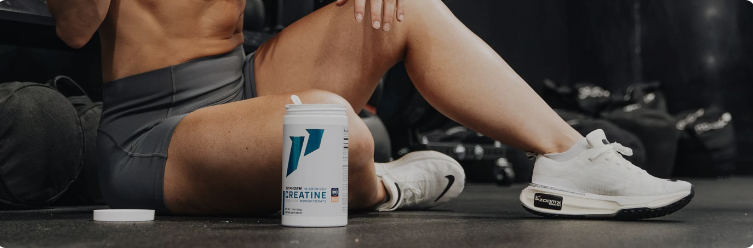
Creatine is one of the most trusted and researched supplements in fitness, known for enhancing strength, boosting muscle growth, and improving recovery. In this blog, we break down everything you need to know about creatine—when to take it, how much, the best form, and its impressive benefits. Whether you're an athlete or new to fitness, this guide will help you maximize your results safely and effectively.
Creatine is one of the most researched supplements in sports and fitness, praised for its ability to boost performance and aid recovery. Here's everything you need to know to use creatine effectively and safely:
When to Take Creatine
Timing is flexible. Some research suggests slight benefits to taking creatine post-workout, but the most important factor is consistency. Choose a time that works for you and stick with it—whether pre-workout, post-workout, or at another consistent daily interval.
How Much to Take
Loading Phase (Optional): 20 grams daily (split into 4 doses of 5 grams each) for 5–7 days to saturate your muscles more quickly.
Maintenance Phase: 3–5 grams per day is sufficient to maintain muscle creatine stores. You can skip the loading phase and start with 3–5 grams daily, but it may take longer to reach full saturation.
Best Form to Take
Creatine monohydrate is the gold standard. It is affordable, well-studied, and effective. Other forms, like micronized creatine or creatine hydrochloride, may reduce bloating or improve absorption but offer no major advantages over monohydrate.
Frequency of Use
Daily supplementation is ideal during high-intensity training periods. If you're in a maintenance phase or taking a break from intense training, you can reduce or pause supplementation.
Benefits
Increased Strength and Muscle Mass: Creatine improves the production of ATP, the energy source for high-intensity exercise, enhancing strength and endurance over time.
Improved Recovery: It helps replenish muscle glycogen and phosphocreatine stores, reducing fatigue and aiding recovery.
Cognitive Benefits: Some studies suggest creatine may support brain health, memory, and mental fatigue.
Injury Prevention and Rehab: Creatine may reduce the risk of injury and support recovery during rehabilitation.
Side Effects
Creatine is generally safe when used as directed. Common concerns, such as kidney damage, are unsubstantiated in healthy individuals. Possible mild effects include water retention, bloating, or digestive discomfort, especially during the loading phase. Staying hydrated can help mitigate these effects.
Key Tips for Use
Purity Matters: Choose creatine monohydrate products tested by third-party organizations like NSF or Informed Choice to ensure quality and safety.
Hydration: Adequate water intake is crucial when using creatine to prevent cramping and maximize its effectiveness.
Not Year-Round: Creatine isn’t necessary 365 days a year. Tailor supplementation to your training cycles.
Creatine is a proven tool for improving performance and supporting overall health. Whether you’re an athlete or someone looking to gain muscle, it’s an excellent addition to your routine when used responsibly.
Sources:
Cleveland Clinic (health.clevelandclinic.org)
MyProtein (us.myprotein.com)
Journal of the International Society of Sports Nutrition (jissn.biomedcentral.com)
Examine.com
National Institutes of Health (nih.gov)

How to Add Functional Movement Training to Your Workout Program
Functional Fitness: Train for Life, Not Just the Gym
Functional fitness goes beyond just looking good or lifting heavy—it’s about training your body to move better in everyday life. By focusing on movements that mimic real-world tasks, functional exercises help build strength, stability, balance, and mobility. These types of workouts are designed to make activities like bending, lifting, or carrying easier, reducing your risk of injury and improving your overall quality of life.
If you’re looking to elevate your workout routine, adding exercises like the Turkish get-up, farmer’s carry, and Pallof press can enhance your core stability, balance, and total-body strength. Functional training is the perfect way to bridge the gap between gym workouts and the physical demands of daily living.
Incorporating functional movement training into your routine is one of the best ways to enhance your overall fitness and improve performance in daily activities. Functional fitness focuses on movements that mimic real-life tasks, engaging multiple muscle groups to build strength, coordination, balance, and mobility. This training style is highly adaptable and can be integrated into any workout program, no matter your fitness level.
What is Functional Fitness?
Functional fitness revolves around exercises that prepare you for the physical demands of daily life. Unlike traditional exercises that isolate specific muscles (like bicep curls or leg extensions), functional movements engage multiple muscles and joints simultaneously. These exercises mimic real-world activities like lifting, bending, reaching, and carrying, helping you move more efficiently.
Some key benefits of functional fitness include:
Improved mobility and flexibility: Functional exercises improve your range of motion, making everyday tasks like bending, twisting, or reaching easier.
Better balance and stability: Training your body to move more fluidly can prevent falls and injuries.
Enhanced core strength: A strong core supports your body in nearly every movement, reducing the risk of injury and improving posture.
What Might Be Missing from Your Current Routine?
Even if you already exercise regularly, there are likely elements missing from your routine that could make it more functional. Here’s what to add for better overall performance:
Balance Training: Many people overlook balance training, but it’s crucial for maintaining stability during activities like walking, standing, or carrying objects. Exercises like single-leg Romanian deadlifts and balance board work can improve coordination and proprioception (your body’s sense of movement and position).
Core Stability: While crunches may target your abs, functional core training involves deep stabilizing muscles that support your spine and posture. Exercises like planks, Pallof presses, and bird-dogs are great for improving overall core stability.
Mobility and Flexibility: Stretching and mobility work, such as dynamic stretches and foam rolling, are often neglected but are vital for maintaining a full range of motion and preventing injury. Incorporating mobility drills can help you move more efficiently during daily tasks.
Functional Exercises to Add to Your Routine
Here are some functional exercises you can incorporate into your workout to target multiple muscle groups and enhance your overall fitness:
Turkish Get-Up
Why it’s functional: This full-body movement builds coordination, core stability, and body awareness.
How to perform: Start lying down, hold a kettlebell overhead, and stand up while keeping it raised.
Sets/Reps: 3 sets of 3-5 reps per side
Farmer’s Carry
Why it’s functional: Mimics carrying heavy loads, improving grip, posture, and core strength.
How to perform: Walk while holding heavy weights in each hand, keeping your shoulders back and core engaged.
Sets/Reps: 3 sets of 40-60 meters
Step-Up with Knee Drive
Why it’s functional: Simulates stepping onto an elevated surface, improving balance and lower-body strength.
How to perform: Step onto a bench or box, drive the opposite knee up, then step back down.
Sets/Reps: 3 sets of 12 reps per side
Pallof Press
Why it’s functional: This anti-rotation exercise strengthens your core, helping with activities that require stability, such as carrying heavy objects.
How to perform: Stand perpendicular to a cable machine, hold the handle in front of your chest, and press it outward while resisting rotation.
Sets/Reps: 3 sets of 10-12 reps per side
Single-Leg Romanian Deadlift (RDL)
Why it’s functional: Improves single-leg stability and simulates movements like picking up objects from the ground.
How to perform: Balance on one leg, hinge at the hips, and reach towards the floor with your opposite hand while keeping your back flat.
Sets/Reps: 3 sets of 8-10 reps per leg
Bear Crawl
Why it’s functional: Crawling improves coordination, core strength, and total body endurance.
How to perform: Start on all fours, lift your knees slightly off the ground, and crawl forward while maintaining a flat back.
Sets/Reps: 3 sets of 20-30 meters
Kettlebell Swing
Why it’s functional: Develops explosive hip power and endurance, which are key for lifting and carrying heavy objects.
How to perform: Swing a kettlebell between your legs, then snap your hips forward to bring the kettlebell up to chest height.
Sets/Reps: 3-4 sets of 12-15 reps
Beginner-Friendly Functional Movements
If you're new to functional fitness, start with basic exercises that build foundational strength and mobility:
Bodyweight Squats: Develop lower body strength and improve hip mobility.
Sets/Reps: 3 sets of 10-15 reps
Wall Push-Ups: An easier variation of the push-up that builds upper body strength.
Sets/Reps: 3 sets of 8-12 reps
Glute Bridge: Strengthens the glutes and lower back while enhancing hip mobility.
Sets/Reps: 3 sets of 10-15 reps
Plank: Builds core stability and strength, essential for most movements.
Sets/Reps: 3 sets of 20-30 seconds
By integrating these exercises into your workout routine, you’ll build a more functional, resilient body that is better prepared for everyday tasks. Whether you're an athlete or just looking to move more efficiently throughout your day, functional training can help you achieve better balance, strength, and mobility, leading to long-term fitness and well-being.
Ready to upgrade your workout with functional training? Start incorporating these movements into your routine today and experience the benefits of moving better, feeling stronger, and staying injury-free!